






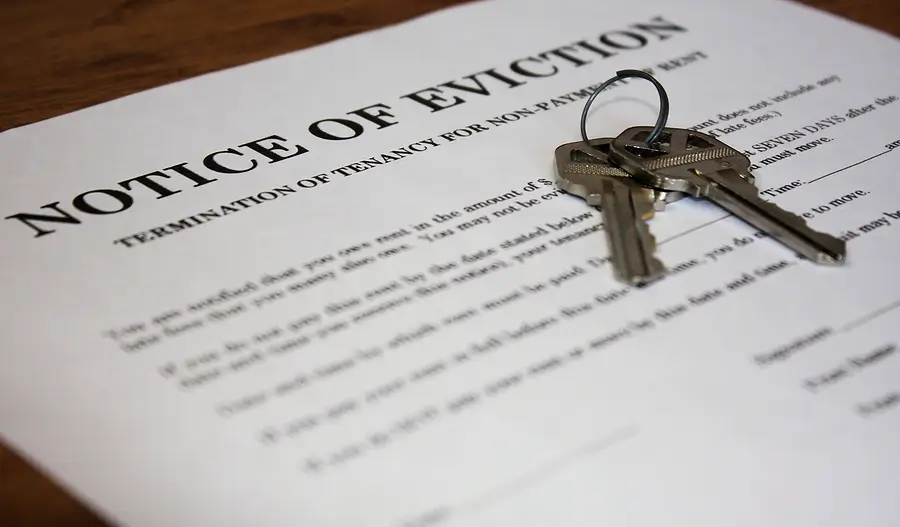
Evictions in California are no longer as simple as issuing a notice and regaining possession of your property. Under statewide just cause eviction requirements, landlords must meet specific legal standards before terminating a tenancy. If you own rental property in Sacramento or the surrounding areas, understanding these rules is critical to protecting your investment and avoiding costly legal disputes.
As property managers serving Gold River and the greater Sacramento region, they help owners navigate California’s evolving landlord-tenant laws with clarity and confidence. They also outline how just-cause eviction works, what qualifies as legal grounds, and how to approach the process properly.
Key Takeaways
California’s just cause eviction laws require landlords to provide a legally recognized reason before terminating most long-term tenancies.
Proper notice, accurate documentation, and strict procedural compliance are essential to a successful eviction.
No-fault evictions often require relocation assistance and careful proof of qualifying circumstances.
Preventative management strategies reduce the likelihood of conflicts and strengthen your legal position.
What Are Just Cause Eviction Requirements?
California’s Tenant Protection Act established statewide just-cause protections for many residential tenants. Once a tenant has occupied a property for 12 months, landlords must provide a legally recognized reason to terminate the tenancy.
This means you cannot simply choose not to renew a lease without cause if the property is subject to the law. Instead, you must identify whether the situation qualifies as at-fault or no-fault just cause and follow the required procedures precisely. Failure to comply can result in dismissed eviction cases, financial penalties, or extended vacancy timelines.
At Fault Just Cause Evictions
At fault just cause applies when the tenant has violated the lease or failed to meet their legal obligations. Common examples include nonpayment of rent, material lease violations, criminal activity, or creating a problem.
In these situations, landlords must typically issue a written notice that clearly explains the violation and provides the required time to restore the issue if applicable. For example, nonpayment of rent often involves a three-day notice to pay or quit.
Documentation is essential. Maintaining detailed financial records through structured financial reporting systems helps ensure that any rent-related violations are properly supported with evidence. If the tenant fails to correct the violation within the allowed time span, you may proceed with filing an unlawful detention action in court.
No-Fault Just-Cause Evictions
No-fault just cause applies when the tenant has done nothing wrong, but the landlord has a lawful reason to terminate the tenancy. These situations include owner move-in, essential remodel, withdrawal of the property from the rental market, or compliance with a government order.
Unlike at-fault evictions, no-fault terminations often require landlords to provide relocation assistance equal to one month of rent or waive the final month’s rent. Because these cases can be more complex, especially when claiming essential remodel, it is important to ensure the planned work truly meets legal standards. Courts may require proof that the renovations are significant enough to require a vacancy.
Notice Requirements and Timing
Serving proper notice is one of the most critical parts of the eviction process. The type of notice and the required time span depend on the reason for termination.
For example, nonpayment of rent typically requires a three-day notice. Lease violations that can be corrected may require a notice to restore or quit. No-fault just cause terminations often require 30 or 60 days’ notice, depending on the tenant’s length of occupancy.
Improper notice language or incorrect timelines can invalidate the eviction. That means starting over, losing time, and potentially facing legal exposure. Ensuring that notices follow current California standards protects both your rights and your timeline.
The Court Process in Sacramento
If a tenant does not comply with the notice, the next step is to file an unlawful detainer action in the proper court. The tenant has a limited time to respond. If they contest the eviction, the case proceeds to a hearing.
The court will review documentation, lease agreements, payment history, and evidence supporting the just cause claim. This is why accurate records and consistent procedures are so important.
Throughout the tenancy, maintaining the property in good condition through proactive property care reduces the likelihood of tenant defenses related to habitability. Courts take maintenance issues seriously, and landlords who cannot demonstrate consistent upkeep may face delays or dismissal.
Common Mistakes Landlords Make
Many eviction cases fail due to technical errors rather than a lack of legal grounds. Common mistakes include using outdated notice forms, failing to document lease violations, miscalculating notice periods, or attempting self-help evictions. Self-help actions such as changing locks or shutting off utilities are illegal in California and can result in severe penalties.
Another common oversight involves security deposits. Mishandling deposits at move-out can create separate legal exposure that complicates eviction matters. Clear procedures for deposit collection and return reduce disputes and help protect your position if termination becomes necessary. Consistency across all aspects of property management strengthens your legal standing.
How Just Cause Laws Have Changed Landlord Strategy
Sacramento landlords have had to adjust their approach to risk management as Sacramento's eviction and tenant-protection rules continue to shape how rental properties are managed. Screening has become more thorough. Lease agreements are more detailed. Documentation standards are higher. Communication is clearer and more structured.
Long-term tenant relationships are now even more valuable. When turnover is limited by regulation, keeping reliable residents becomes a key strategy for maintaining stable income. At the same time, landlords must be prepared to act persistently when violations occur. Delaying enforcement can weaken your case and create larger financial losses.
Protecting Yourself Before an Eviction Is Necessary
The best eviction strategy is prevention. Clear lease terms, proper screening, responsive communication, and consistent enforcement reduce the likelihood of serious violations.
Routine property inspections and organized financial oversight help identify problems early. When small issues are addressed quickly, they are less likely to develop into legal disputes.
Working with experienced professionals who understand Sacramento’s regulatory landscape ensures that each step of the tenancy lifecycle is handled correctly, from onboarding to renewal to potential termination.
FAQs
When do just cause eviction rules apply?
Just cause protections typically apply after a tenant has occupied the unit for 12 months.
Do all Sacramento rental properties fall under just cause requirements?
Many properties are covered, but some exemptions may apply depending on ownership type, property age, and proper written notice.
How much notice must I give for a no-fault eviction?
Notice periods are usually 30 or 60 days, depending on how long the tenant has lived in the property.
Is relocation assistance always required?
Relocation assistance is generally required in no-fault just cause cases unless specific exemptions apply.
Can I refuse to renew a lease without cause?
If your property is subject to just cause protections, you must provide a legally valid reason to terminate the tenancy.
Handle Just Cause Evictions with Tower Bridge Property Management
Evictions under California’s just cause requirements demand precision, documentation, and a clear understanding of state law. At Tower Bridge Property Management in Gold River, we guide Sacramento rental property owners through every stage of the process while prioritizing compliance and long-term asset protection. If you want experienced support with tenant screening, lease enforcement, maintenance coordination, and financial oversight, contact us today to ensure your property is protected and professionally managed.
